The South African mining industry has long been a cornerstone of the nation’s economy, contributing significantly to GDP, employment, and exports. However, this sector has faced growing challenges in recent years due to environmental concerns, rising energy costs, and the need to meet stringent global sustainability standards. In response to these challenges, there has been a surge of innovative renewable energy solutions that are reshaping the industry. These technologies are enabling mining companies to reduce their carbon footprint, lower energy costs, and ensure a more sustainable future for mining in South Africa.
1. The Energy Challenges Facing the South African Mining Sector
South Africa’s mining industry is highly energy-intensive, with electricity being one of the major operational costs. The country’s power generation has historically relied on coal, which has contributed to high carbon emissions and environmental degradation. However, South Africa has faced several energy challenges over the years, including power outages, unstable electricity supply, and rising costs. Eskom, the state-owned electricity provider, has struggled with aging infrastructure, financial difficulties, and a lack of sufficient power generation capacity. As a result, mines, especially those located in remote areas, have had to rely on diesel generators or grid power, both of which are costly and unreliable.
The need for a sustainable energy solution has never been more urgent. In this context, renewable energy innovations are offering the mining sector a pathway toward cleaner, more affordable, and reliable energy.
2. Solar Power: The Game Changer for Mining Operations
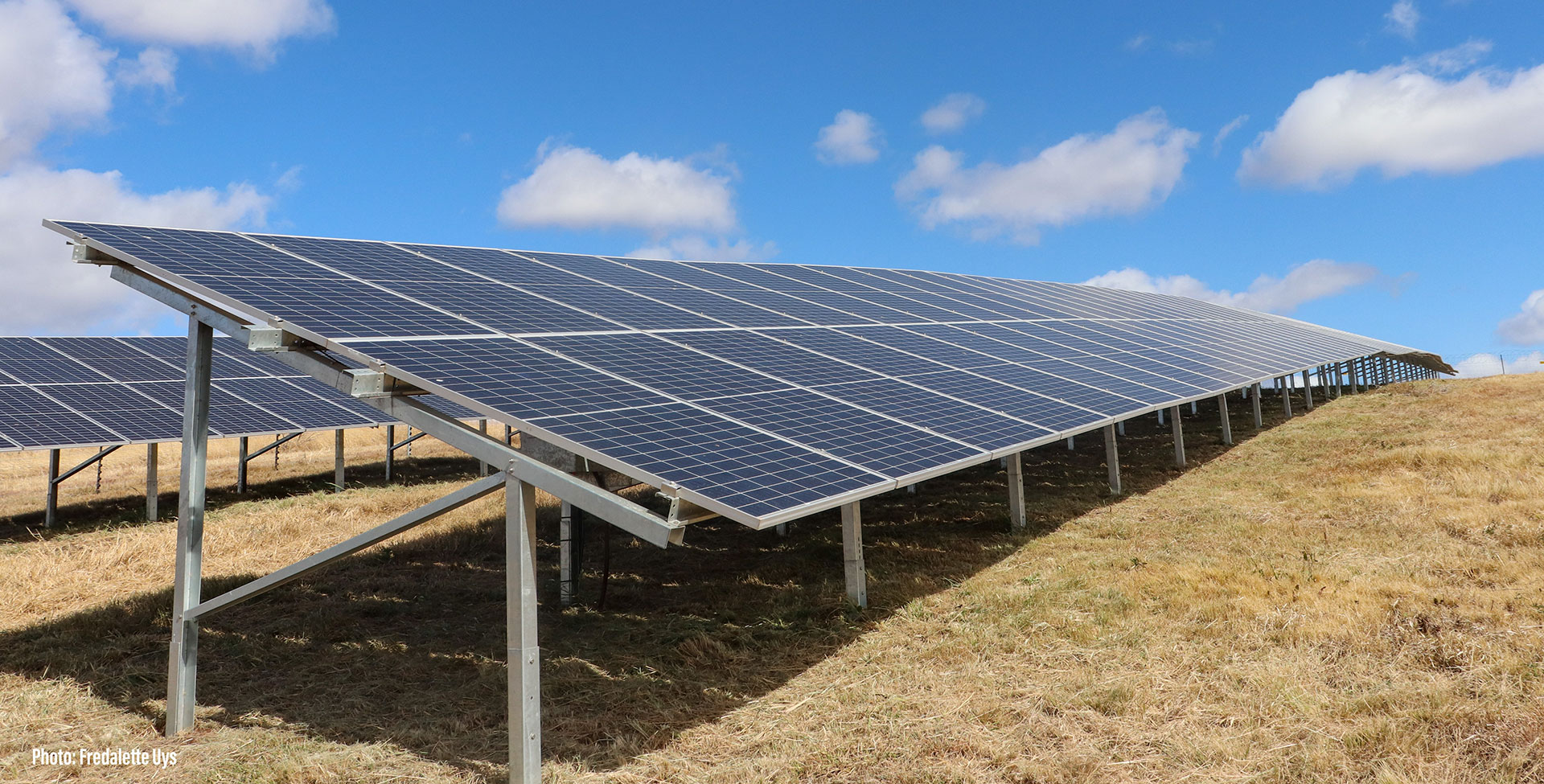
One of the most widely adopted renewable energy solutions in South African mining is solar power. The country enjoys abundant sunshine, making it an ideal location for solar energy generation. Solar photovoltaic (PV) technology has emerged as a crucial tool for mining companies looking to reduce their reliance on the national grid.
Several large mining firms have already implemented solar power projects on a significant scale. For example, Anglo American and Sibanye Stillwater have rolled out solar energy initiatives at their mining operations, providing electricity to power critical equipment and processes. These solar installations not only reduce electricity costs but also help mines to manage energy supply risks associated with grid instability.
In addition to reducing dependence on the grid, solar power systems at mining sites help lower operating costs, enhance energy security, and reduce carbon emissions. By installing solar arrays, mines can reduce their reliance on diesel generators, which are not only costly but also polluting.
3. Wind Power: Harnessing South Africa’s Coastal Winds
Another renewable energy technology making its mark in South African mining is wind power. South Africa’s coastal regions have strong and consistent winds, offering a significant opportunity to harness wind energy for industrial applications. Wind farms are being constructed in these areas, providing mining operations with a clean and renewable source of energy.
In particular, mines located near the coast or in regions with high wind potential have begun exploring the use of wind turbines to complement their energy needs. Wind power can be integrated with solar power systems to create hybrid energy solutions that can operate efficiently throughout the day and night. By using wind and solar together, mining operations can ensure a continuous supply of energy, reducing reliance on conventional grid electricity.
Moreover, wind power is an excellent fit for mines that need large, stable energy supplies for extended periods. By reducing the need for fossil fuels, wind energy can play a pivotal role in the industry’s decarbonization efforts.
4. Hybrid Energy Systems: Combining Renewables with Storage
One of the key challenges of renewable energy is intermittency, especially with solar and wind power, which depend on environmental conditions. To address this issue, many South African mining companies are embracing hybrid energy systems that combine multiple renewable energy sources (such as solar, wind, and hydro) with energy storage solutions.
Energy storage technologies, such as batteries, allow mining operations to store surplus energy generated during peak production times and use it during periods of low generation or high demand. This ensures a continuous, reliable supply of energy, even when the wind isn’t blowing or the sun isn’t shining.
Battery storage systems, such as lithium-ion batteries, have become a popular choice for mines looking to stabilize their energy supply. In some cases, mining companies are integrating large-scale energy storage systems with solar and wind farms to create microgrids capable of operating independently from the national grid.
These hybrid systems not only improve energy reliability but also help mining companies avoid costly power interruptions. They also provide greater flexibility in energy management, allowing companies to optimize energy usage and reduce costs.
5. Biomass Energy: Utilizing Waste for Sustainable Power
Biomass energy, which involves converting organic waste into energy, is another renewable innovation that is gaining traction in South Africa’s mining industry. Mines generate a significant amount of waste, from vegetation and agricultural by-products to organic waste from processing activities. Biomass energy technologies can convert these materials into biogas, which can be used to generate electricity.
Mines with large amounts of organic waste can take advantage of this renewable energy source to meet part of their energy needs. Biomass power plants are relatively small in scale and can be implemented on-site, reducing transportation costs and further reducing the environmental footprint of mining operations.
Additionally, the use of biomass aligns with South Africa’s efforts to reduce waste and promote circular economy principles. By converting waste into energy, mines can improve their environmental performance and contribute to a more sustainable mining ecosystem.
6. Green Hydrogen: The Future of Decarbonization
One of the most promising future innovations in renewable energy for the mining sector is green hydrogen. Green hydrogen is produced through the electrolysis of water, powered by renewable energy sources like solar or wind. This hydrogen can then be used as a fuel for industrial processes, transportation, and power generation.
In South Africa, where renewable energy resources are abundant, green hydrogen is seen as a key player in decarbonizing the mining industry. Hydrogen can be used in mining operations to power trucks, machinery, and even smelting processes. The South African government has already begun exploring the potential of green hydrogen, and several large mining companies are investing in research and pilot projects to develop hydrogen solutions.
If successfully implemented, green hydrogen could replace conventional fossil fuels in heavy mining equipment, further reducing carbon emissions and helping the industry meet its sustainability targets. South Africa’s strong solar and wind resources position the country as a future leader in green hydrogen production, offering new business opportunities for the mining sector.
7. The Role of Government and Policy Support
The transition to renewable energy in South Africa’s mining industry is not just driven by market forces but also by supportive government policies. The South African government has set ambitious renewable energy targets as part of its National Development Plan and Integrated Resource Plan (IRP). These policies create a favorable environment for mining companies to invest in renewable energy solutions.
Additionally, the government has implemented financial incentives and tax credits to encourage the adoption of renewable technologies. Through initiatives like the Renewable Energy Independent Power Producer Procurement Programme (REIPPPP), the government has attracted significant private investment in renewable energy projects, including those in the mining sector.
8. Conclusion
Renewable energy innovations are fundamentally transforming the South African mining industry. Solar, wind, and hybrid energy systems are helping companies reduce energy costs, improve sustainability, and enhance operational efficiency. Emerging technologies like green hydrogen and biomass energy hold significant promise for further decarbonizing the sector. As mining companies continue to adopt these solutions, they not only contribute to the growth of a greener economy but also strengthen their competitive position in an increasingly sustainability-conscious global market.
Ultimately, the shift toward renewable energy in South Africa’s mining industry represents a critical step in the country’s efforts to transition to a more sustainable, resilient, and environmentally responsible energy future.