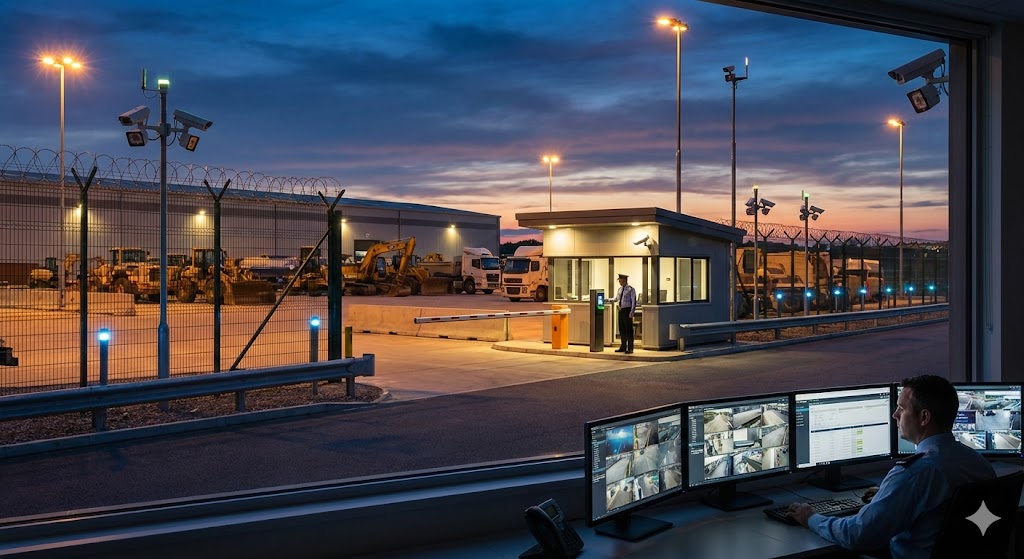
As theft increases and budgets tighten, proactive security has become essential to operational resilience. Today’s economy faces persistent challenges — inflation, high interest rates, and widespread emphasis on cost control are prompting organizations to reduce capital expenditures and tighten operational budgets.
At the same time, property-related crime is on the rise, especially involving high-value materials, heavy equipment, vehicles, and fuel, reflecting the well-documented link between economic downturns and opportunistic theft.
Operational Vulnerabilities
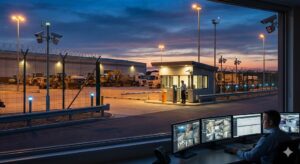
Sites integral to daily operations often span urban and rural areas and operate 24/7, making them attractive targets when security is inadequate. Common points of exposure include: unsecured parking areas, minimally fenced construction sites, gaps in warehouse perimeter protection, and remote lots with long response times.
These vulnerabilities contribute to rising incidents of:
- Theft of high-value goods and materials
- Metal and component theft (e.g., catalytic converters)
- Fuel siphoning
- Heavy equipment theft
Criminals exploit after-hours gaps and limited surveillance, with traditional security often proving insufficient.
The Cost of Reactive Security
Treating security as an afterthought can carry significant direct and indirect costs. A single incident can result in delayed projects, lost revenue, operational disruption, increased insurance premiums, reduced employee morale, and reputational harm — often costing far more than the value of stolen items.
Security as Strategic Investment
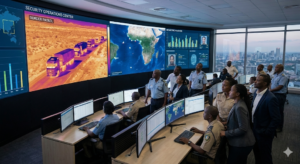
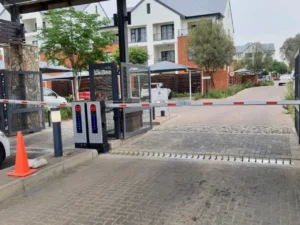
Forward-looking organizations now view security as a core strategic investment rather than an expense. Modern security involves layered deterrence and real-time visibility, including fencing, perimeter lighting, AI-enabled cameras, motion detection, remote monitoring, and access control systems.
Small adjustments — reducing entry points, improving camera placement, and relocating valuable assets — can also strengthen overall protection.
Practical Steps for Security Leaders
To enhance physical security:
- Conduct comprehensive site vulnerability audits
- Integrate security into operational continuity planning
- Treat security investments strategically, prioritizing high-risk areas
- Partner with security specialists for tailored solutions
In uncertain economic times, stability and resilience are critical. Proactive security protects assets, reduces downtime, and safeguards operational continuity — and should be prioritized before incidents occur