In an era defined by rapid digital transformation, the nature of industrial operations has shifted dramatically. Traditional factories and plants have evolved into interconnected ecosystems where physical infrastructure, operational technology (OT), information technology (IT), and smart systems converge. This integration has unlocked enormous efficiency and productivity benefits, but it has also introduced unprecedented security risks. As we approach 2026 and beyond, industrial security assessments are no longer optional—they are strategic imperatives critical to the resilience, safety, and continuity of modern industries.
What Is an Industrial Security Assessment?
An industrial security assessment is a comprehensive evaluation of an organization’s security posture encompassing physical, digital, and operational dimensions. It examines vulnerabilities across access controls, surveillance systems, networks, industrial control systems (ICS), OT environments, compliance frameworks, and risk management practices. Rather than being a one-time activity, it’s an ongoing strategic process aimed at identifying weak points before they become costly problems.
Assessments typically include:
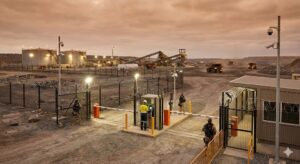
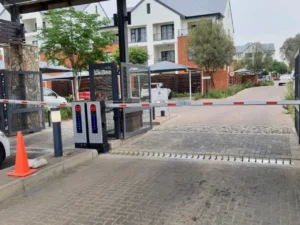
- Physical Security Checks: Evaluation of access controls, guards, barriers, and surveillance infrastructure.
- Cybersecurity Evaluation: Analysis of network defenses, ICS/OT vulnerabilities, and threat exposure.
- Compliance Audits: Alignment with standards such as ISA/IEC 62443, ISO 27001, and NIST frameworks.
- Risk Analysis: Identification and prioritization of potential threats from cyberattacks to insider threats and supply chain weaknesses.
The goal is straightforward: provide decision-makers with a clear understanding of where their operations are most at risk and what actions can reduce that risk.
The Changing Industrial Threat Landscape
In 2026 and beyond, industrial environments face a security landscape that is more complex than ever before. This complexity is driven by several converging trends:
1. Increased Connectivity and IT/OT Convergence
Industrial systems are no longer isolated. The rise of IIoT (Industrial Internet of Things), cloud connectivity, and smart manufacturing has blurred the boundaries between physical and digital domains. While this convergence enhances data visibility and operational efficiency, it also broadens the attack surface, exposing critical systems to cyber threats that once targeted only IT networks.
2. Sophisticated Threat Actors
Cyber adversaries have evolved. Today’s attackers include nation-state actors, organized crime syndicates, and highly motivated hacktivists. These entities don’t just seek immediate disruption; they focus on persistence, mapping industrial environments for future leverage, and compromising supply chain partners to gain indirect access.
3. Legacy Systems and Vulnerabilities
Many industrial operations still depend on decades-old hardware or OT systems that lack built-in security features. Without proper assessment, these legacy elements can serve as entry points for attackers or weak links in broader defense strategies.
4. Expanded Regulatory Pressure
Regulations and compliance standards are tightening globally as governments recognize the strategic importance of industrial cybersecurity. Demonstrating adherence through documented assessments is increasingly required not just for legal compliance, but for partnerships, insurance, and bidding on contracts.
Why Security Assessments Are Essential
Given this backdrop, industrial security assessments deliver critical value across multiple dimensions:
1. Proactive Risk Identification
Instead of reacting to incidents, organizations can anticipate threats and vulnerabilities. Assessments illuminate hidden risks—from misconfigured firewalls to unsecured remote access portals—before they are exploited. Businesses that identify and remediate weak points proactively save time, costs, and reputation.
2. Strengthening Operational Continuity
Industrial disruptions can have cascading effects—production lines halt, service delivery stalls, and safety incidents occur. By identifying weaknesses that could lead to downtime or safety hazards, security assessments help ensure continuous, reliable operations even under duress.
3. Enhanced Compliance and Trust
Assessments generate documented evidence of security posture and controls. This supports compliance with international standards and regulatory mandates, which in turn strengthens trust with clients, partners, and regulators. Many industrial sectors now require formal assessments as part of contractual obligations.
4. Strategic Investment and Prioritization
Security resources are finite. Strategic assessments help organizations prioritize where investments will yield the greatest reduction in risk—whether that’s reinforcing perimeter defenses, upgrading ICS protections, or implementing zero-trust access frameworks.
5. Bridging Organizational Silos
Industrial security assessments often require collaboration across departments. They bring IT, OT, engineering, and operations teams together, enabling shared understanding and unified defensive strategies. This collaboration is vital as threats increasingly exploit interdepartmental gaps rather than single systems.
Looking Forward: Resilience in 2026 and Beyond
As we look toward and through 2026, industrial security assessments will continue to evolve. They will increasingly incorporate advanced analytics, AI-driven risk prediction, and continuous monitoring to keep pace with emerging threats. Organizations that embed assessment practices into their operational DNA—treating them not as compliance exercises, but as strategic risk mitigators—will stand out as resilient and adaptable.
In an industrial world where digital and physical realms are inseparable, security assessments are more than technical checklists—they are foundations for trust, continuity, and long-term success.