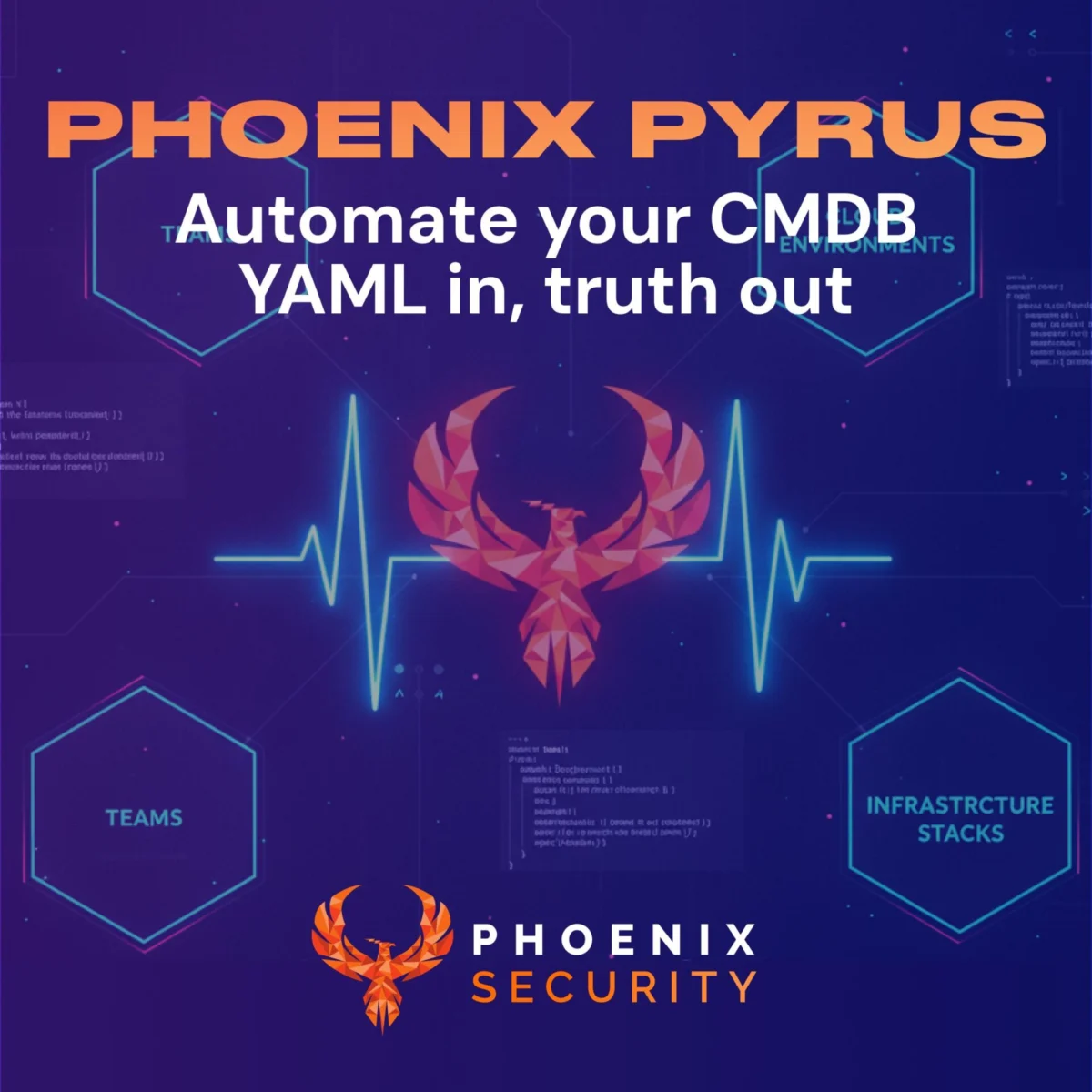
Phoenix Security’s PYRUS transforms application security posture management (ASPM) through YAML-native automation and metadata-driven attribution. By aligning ownership with developer workflows, PYRUS bridges the gap between visibility and remediation, empowering enterprises to accelerate vulnerability management from code to cloud. The post Phoenix PYRUS Redefines ASPM: YAML-Driven Ownership for Code-to-Cloud Vulnerability Management (https://phoenix.security/aspm-application-security-vulnerability-management-pyrus-yaml-automation/) appeared first on Phoenix Security (https://phoenix.security) .
The Problem with Ownership and Attribution in Vulnerability Management
Security visibility without ownership is noise. Organizations spend millions on scanning tools but still fail to fix what matters because ownership remains ambiguous. Attribution — knowing who owns what and who fixes what — dictates remediation speed. Yet most teams still rely on manual, outdated CMDBs that are disconnected from modern development workflows.
Developers live in code, YAML, and pipelines — not in legacy databases. Forcing them into static asset inventories breaks velocity and engagement. Security must align with developer reality, not the other way around.
Attribution as the Engine of Speed in ASPM and DevSecOps
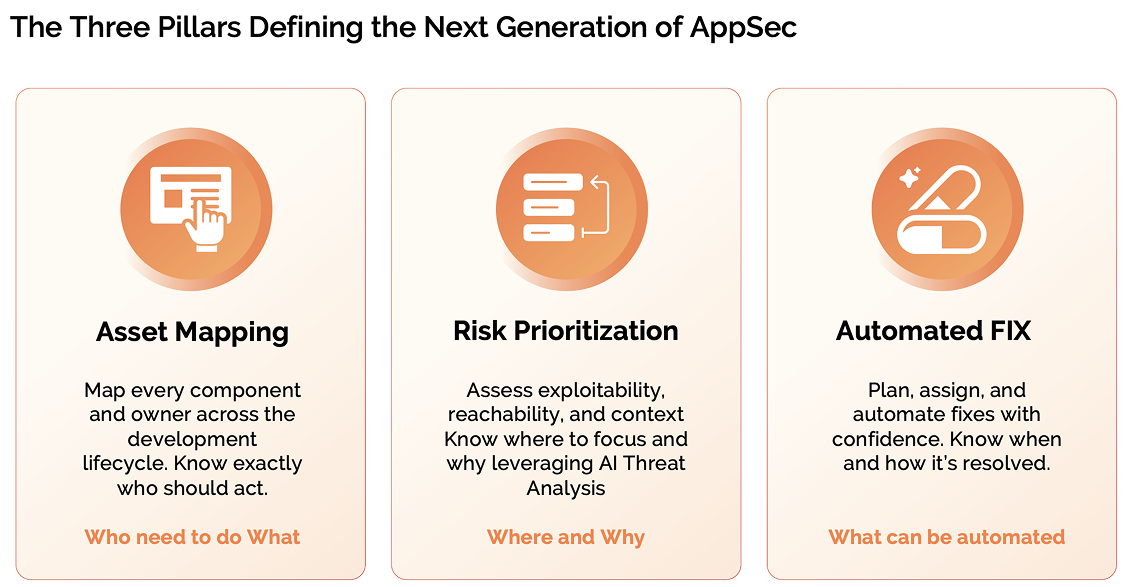
Attribution sits at the heart of Application Security Posture Management (ASPM) and Attack Surface Management (ASM). Without it, prioritization and remediation grind to a halt.
Each vulnerability must have a clear owner and business context — instantly and automatically. When ownership is encoded in the same language engineers use to define infrastructure, remediation becomes native to their workflow.
That’s where PYRUS (Phoenix YAML Resource Unified Sync) comes in — the YAML-native automation layer that unifies business, security, and engineering through metadata.
Redefining the CMDB Through YAML-Driven Automation
Legacy CMDBs were designed for static infrastructure, not cloud-native, multi-repo ecosystems. PYRUS redefines the CMDB using YAML as the declarative source of truth.
Developers declare what they own — applications, services, environments — directly in YAML. The system automatically interprets and syncs those definitions, grouping assets, assigning ownership, and mapping vulnerabilities without manual entry.
This approach transforms the CMDB from a bureaucratic record into a living, data-driven asset map that reflects the reality of DevSecOps delivery.
Why Grouping Assets by Owner and Business Unit Matters in a Cloud-Native World
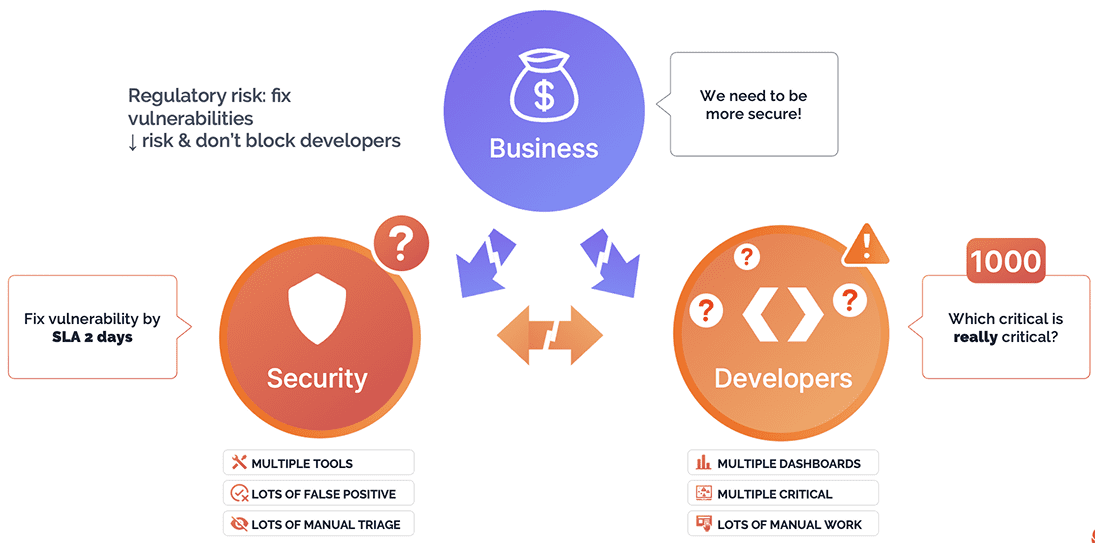
Cloud-native environments change faster than any static CMDB can track. Applications don’t live in one place anymore — they exist across branches, ephemeral containers, distributed registries, and multi-cloud environments that scale and vanish by the minute. Forcing engineers to document ownership in a traditional CMDB built for static servers is a guaranteed failure. The result is an endless disconnect: security teams can’t assign risk, and business leaders can’t see who owns what.
In this reality, Phoenix PYRUS becomes essential. PYRUS uses YAML-native automation and metadata correlation to continuously group assets by owner, service, and business unit — across any environment. Instead of relying on manual data entry, it reads from the truth already present in the enterprise: repository maintainers, ServiceNow records, Backstage ownership files, Okta team structures, and cloud-native tags. This dynamic organization automatically assigns every container, microservice, and environment to its rightful team, no matter where it’s deployed.
Trying to explain to business stakeholders why ownership is fragmented across clusters, registries, and pipelines is a losing battle. The answer isn’t more meetings — it’s automation. By relying on metadata-driven logic, PYRUS builds logical, business-aligned groupings that evolve as code and infrastructure evolve. This creates a shared, living map between engineering and the business — a system where ownership is not just known, but continuously updated, actionable, and measurable.
When teams know exactly what they own, security can finally assign vulnerabilities with precision, remediation becomes an operational flow rather than an escalation maze, and risk reduction becomes an aspiration rather than a challenge.