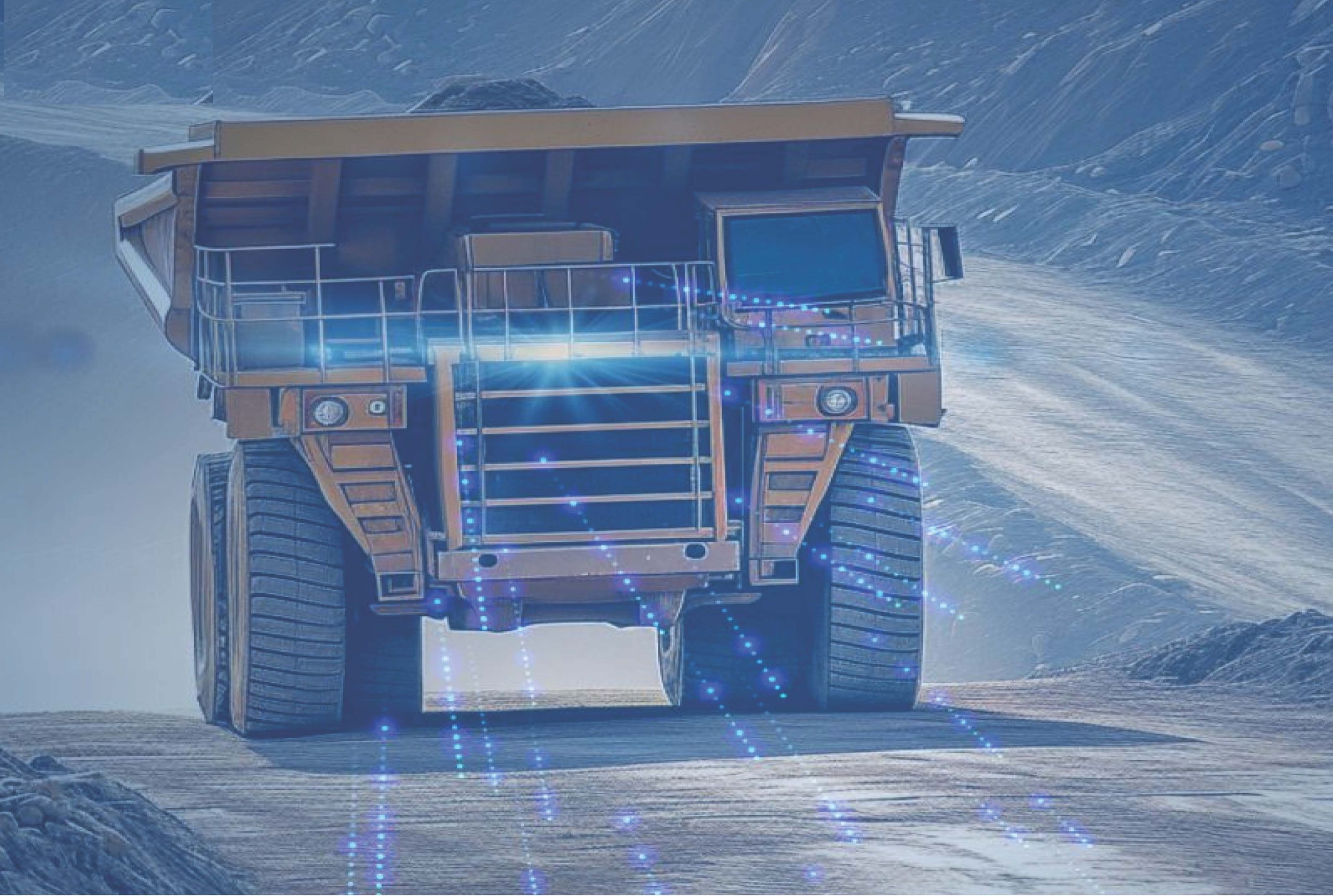
The mining industry operates in some of the most challenging and hazardous environments on the planet. With heavy machinery, constrained spaces, and dynamic operations, collision risks are high. To ensure safety and optimize productivity, AI-powered collision detection and avoidance systems have become indispensable. These advanced solutions leverage the power of artificial intelligence, machine learning (ML), and real-time analytics to transform mine safety and operational efficiency.
The Necessity for Collision Detection in Mines
The complexity of mining operations involves multiple vehicles, equipment, and personnel moving simultaneously in confined spaces. Traditional systems, such as proximity sensors or human supervision, often fall short in preventing accidents. The cost of a collision in a mine extends beyond financial losses to include severe injuries, fatalities, and reputational damage.
AI-powered systems address these challenges by:
- Improving Situational Awareness: AI can process data from multiple sensors to create a real-time view of the mine environment.
- Proactive Risk Management: Unlike traditional reactive systems, AI predicts potential collision scenarios and intervenes before accidents occur.
Key Components of AI-Powered Collision Avoidance Systems:
- Sensors and IoT Integration
AI systems integrate data from various sensors, including:
- LiDAR (Light Detection and Ranging): Captures 3D maps of surroundings for precise obstacle detection.
- Cameras: Provide visual data for object identification and tracking.
- GPS and RFIDs: Ensure real-time location tracking of vehicles and personnel.
2 Machine Learning Models
ML algorithms analyze sensor data to detect patterns, recognize hazards, and predict potential collisions. Techniques include:
- Computer Vision: For object detection and classification
- .Deep Learning Models: To enhance decision-making in complex scenarios.
3. Edge Computing and Real-Time Analytics
By processing data on-site, edge computing reduces latency, enabling systems to make split-second decisions to prevent collisions.
4. Communication Networks
Seamless communication between equipment, control rooms, and personnel is achieved using advanced networks like 5G or low-latency private networks.
Applications of AI in Collision Detection and Avoidance
- Autonomous Mining Vehicles
AI systems enhance the safety of autonomous vehicles by:
- Identifying and avoiding obstacles.
- Coordinating movement with other vehicles and workers.
2. Underground Mining
In tunnels with low visibility, AI uses data from thermal cameras and ultrasonic sensors to detect hidden hazards.
3. Open-Pit Mining
AI solutions predict rockfalls, monitor equipment proximity, and manage vehicle routes to prevent collisions in open-pit environments.
4. Worker Safety
Wearable technology powered by AI can track workers’ movements and warn them of potential dangers from nearby vehicles or equipment.
Benefits of AI in Collision Avoidance:
- Enhanced Safety: Drastically reduces incidents and injuries.
- Operational Efficiency: Minimizes downtime caused by accidents.
- Cost Savings: Reduces financial losses from damaged equipment and liability claims.
- Data-Driven Insights: AI systems continuously learn and improve from operational data, providing actionable insights for better decision-making.
Challenges and Future Outlook:
Challenges:
- High Implementation Costs: Initial deployment can be expensive, especially for smaller mines.
- Data Privacy and Security: The integration of IoT and AI raises concerns about data vulnerabilities.
- Adaptation and Training: Workers need to adapt to AI-driven systems, requiring comprehensive training.
Future Trends:
- Integration with Robotics: Combining AI collision detection with robotic equipment for fully automated mining.
- Cloud-Based Solutions: Leveraging cloud computing for centralized monitoring and predictive analytics.
- Enhanced Interoperability: Ensuring seamless communication between diverse equipment from multiple vendors.
- Sustainability Focus: Using AI to reduce energy consumption and optimize resource use while improving safety.
Conclusion
AI-powered collision detection and avoidance systems are revolutionizing safety and efficiency in the mining industry. By harnessing the capabilities of advanced sensors, machine learning, and real-time analytics, these solutions create a safer working environment while maximizing operational productivity. As the technology continues to evolve, the adoption of AI in mining will likely expand, setting new standards for safety and innovation in one of the world’s most demanding industries.