
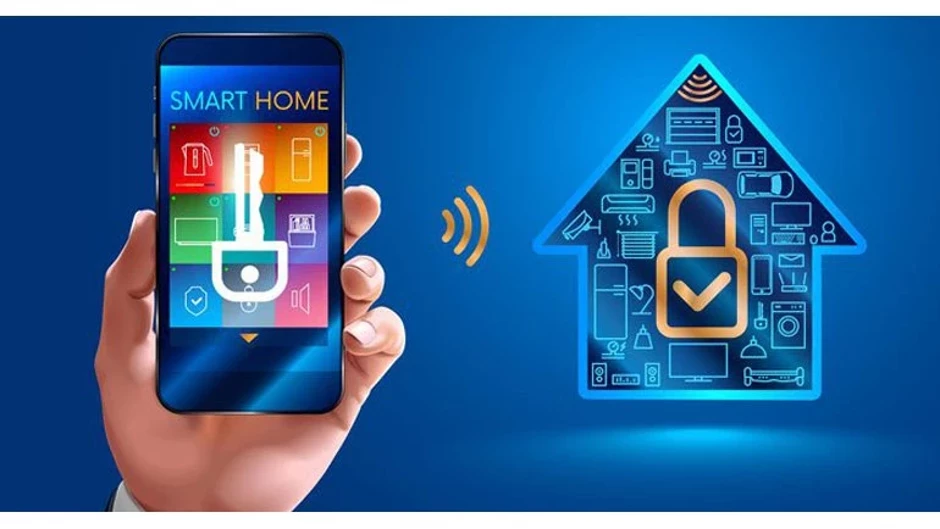
In an era where refrigerators can remind us to buy milk, thermostats adjust themselves, and light bulbs respond to voice commands, smart homes have moved from novelty to near-necessity for many families. Internet of Things (IoT) devices — from smart locks to voice assistants — make life more convenient, comfortable, and efficient. But this convenience brings a significant challenge: security. Each connected device represents a potential entry point for attackers, and improperly secured systems can lead to privacy breaches, financial loss, or even physical danger. To fully enjoy the benefits of smart home technology, it’s essential to protect these devices and the networks that support them.
Understanding the Risks
Smart home devices often connect to the internet and your local network, meaning they can be contacted remotely. Hackers target weakly secured devices to gain access to private data, disrupt services, or use compromised devices as footholds for broader attacks. Recent findings show that nearly half of network connections from IoT devices fall into high-risk categories due to vulnerabilities and misconfigurations, underscoring just how widespread the problem has become.
Many devices also ship with default usernames and passwords that are easy for attackers to guess, and not all of them receive regular security patches. Even seemingly innocuous items like smart bulbs or thermostats can reveal patterns about when you’re home, creating privacy concerns that extend beyond mere digital intrusion.
Fundamental Principles for Smart Home Protection
Safeguarding a smart home revolves around a few core principles: authentication, network hygiene, regular maintenance, and thoughtful device selection. Below, we explore these in depth.
1. Use Strong, Unique Passwords and Authentication
One of the most effective defenses starts with account and device access. Default passwords that come with many IoT devices are widely known and easily exploitable. Replace these with strong, unique passwords for each device and account. A good password combines uppercase and lowercase letters, numbers, and symbols and avoids easily guessable information such as birthdays or names.
Where possible, enable two-factor authentication (2FA). This adds a second verification step — such as a code sent to your phone — to make unauthorized access far more difficult even if someone learns your password.
2. Segment Your Network
Separating your IoT devices from your primary devices (like laptops and phones) limits the damage if one device is compromised. Many modern routers let you create guest networks. Use a dedicated Wi-Fi network for IoT devices so that even if an attacker gains access to one of your smart gadgets, they won’t automatically control your personal computers or see sensitive information.
For more advanced setups, network segmentation via VLANs (Virtual LANs) and firewalls can isolate IoT traffic even more thoroughly, preventing compromised devices from communicating with critical systems or data. Regular home users can still benefit significantly from just a separate IoT network.
3. Keep Firmware and Software Updated
Manufacturers regularly release firmware updates that patch security holes and improve performance. Yet many IoT devices do not automatically update, meaning vulnerabilities can linger unaddressed. To stay ahead of threats, enable automatic updates when available and check for updates manually when necessary.
Devices no longer receiving updates pose a long-term risk; some may even effectively reach a “security end-of-life,” meaning they should be replaced with newer, supported models. This is especially important for security-critical devices like cameras and smart locks.
4. Use Secure Communication and Encryption
When data travels between your devices and cloud services, it should be encrypted to prevent eavesdropping or tampering. Secure protocols such as TLS (Transport Layer Security) ensure that communications remain private and integrity-checked. Devices using unencrypted communication make it easier for attackers to intercept sensitive information like access tokens or user credentials.
Because not all devices encrypt data by default, prioritize products that explicitly support secure communication standards.
5. Limit Permissions and Disable Unnecessary Features
Many IoT devices request access to sensors, accounts, or data beyond what is strictly necessary for their function. Grant only the permissions needed for the device to operate. For instance, a smart speaker might not require access to your contact list or location unless voice calling is a feature you use.
Similarly, if a device includes features you don’t use — like remote access, bridging to external services, or Bluetooth connectivity — consider turning these off. Each enabled feature expands your attack surface and increases the number of potential points of vulnerability.
6. Secure the Router and Monitoring Tools
The router is the gateway between your home network and the internet, making it one of the most critical components to secure. Change the default administrator credentials, enable strong encryption (such as WPA3), and disable features like UPnP (Universal Plug and Play) that can allow devices to open ports automatically.
A firewall or dedicated security hub provides additional protection by monitoring traffic and blocking suspicious activities. Advanced routers and security devices with built-in intrusion detection can alert you to attempted breaches and help keep compromised devices contained.
7. Choose Devices from Trusted Manufacturers
Not all smart home products are created equal. Some manufacturers prioritize security, issuing regular updates and making it easy to configure protective features. Others may lag in support or build baselines that are less secure. Look for devices with a good track record of security updates and consider certifications or labeling initiatives — such as the emerging Cyber Trust Mark — that help consumers quickly evaluate security standards.
Before purchasing, read reviews, check support timelines, and factor in whether the manufacturer actively responds to security issues.
8. Protect Your Control Devices
Smartphones, tablets, and computers used to manage your IoT devices are themselves targets. Keep them updated, protected with strong passwords or biometric access, and equipped with security software. A compromised control device can give attackers easy entry into your entire smart home system.
Ensuring security, privacy, and reliability in a connected future
Smart homes offer unmatched convenience and a glimpse into the future of daily life. But each connected device is also a potential security risk if left unprotected. By combining strong authentication, network segmentation, regular updates, encrypted communication, careful device selection, and robust router security, homeowners can dramatically reduce vulnerabilities and defend their systems against evolving threats.
The goal is not perfection — no security system is completely foolproof — but resilience. A well-protected smart home doesn’t just make life easier; it safeguards your privacy, your data, and your peace of mind in a world where the digital and physical lives are increasingly intertwined.